Table Of Content

This is doubly true if you tend to spend long hours outside in the sun during the summer or take part in a lot of water sports. When you guard your hair against these external factors, you ensure that your hair won't get too dry and your new hair color won't fade too quickly. If you are planning to go swimming or go in the water at all, make sure to prep your color-treated strands before you swim and take care of your locks after. "I see so many people blow-dry their hair and then hit it with a flat or curling iron, and you can actually see where the color has lifted ..." New York City-based colorist Jackie Seabrooke tells NewBeauty. However, If you really want to style your hair with hot tools like curling irons or flat irons that touch your hair with heat, it's best to use a heat-protectant spray to prevent damage.
Dye Application Process
When hair is saturated with water, the dye may not take to the hair strands or become diluted, producing an undesirable result. I wasn’t lucky enough to visit the hair salon before self-isolation, which means I have nine weeks of root growth and grays that are even noticeable on a blurry Zoom calls. I’m ready to try boxed dye—but before I take the plunge for a second time (the first being a horrible college dye job, haunting)— I’m using my phone a friend, and calling on Kylie Jenner’s colorist Cassondra Kaeding. Water is hair color's worst enemy, so on the days you can, skip washing altogether and blast roots with dry shampoo (find the best one for your needs here). On the days you can't, use as little shampoo as possible or, better yet, rinse hair with warm water and use just conditioner. The second most important part of mastering how to dye your hair at home is maintaining all the hard work you put in.
Hair Colors for Every Type of Skin Tone and Undertone
Not everyone has enough time or money to visit the salon to get their hair professionally dyed. Dyeing your hair at home might occasionally be the only option, as it was during the height of the COVID-19 pandemic. That being said, some people make mistakes when they are dyeing their own hair. Hair glosses are a popular option for freshening up your hair hue without dyeing your mane all over again. The L’Oréal Paris Le Color Gloss One Step In-Shower Toning Gloss is an at-home treatment that works to enhance your hair color and tone, while also deeply conditioning your strands. In GH Beauty Lab testing, experts found that Clairol Nice 'n Easy was the best pick for light hair and has a gentler, more conditioning formula.
Protect your hair.
Although the hues won't cover grays, the brand's co-founder and pro colorist Justin Anderson says "the deep conditioning will leave your hair feeling amazing." Read the instructions for allergy testing on any hair dye you choose and don’t skip this step! Also be sure to follow the hair dye application and leave-in time instructions on the box, as each dye has different requirements. As glamorous as a new hair color may be, the cost and upkeep isn’t always so attractive. That’s where coloring your hair at home comes in and proves to be the perfect alternative with a much friendlier price tag, not to mention maintenance that can be done on your own schedule. If you’re a hair color novice, it may sound intimidating at first, but with the right at-home hair coloring kit, dyeing your hair at home can be convenient, affordable and most importantly — successful.
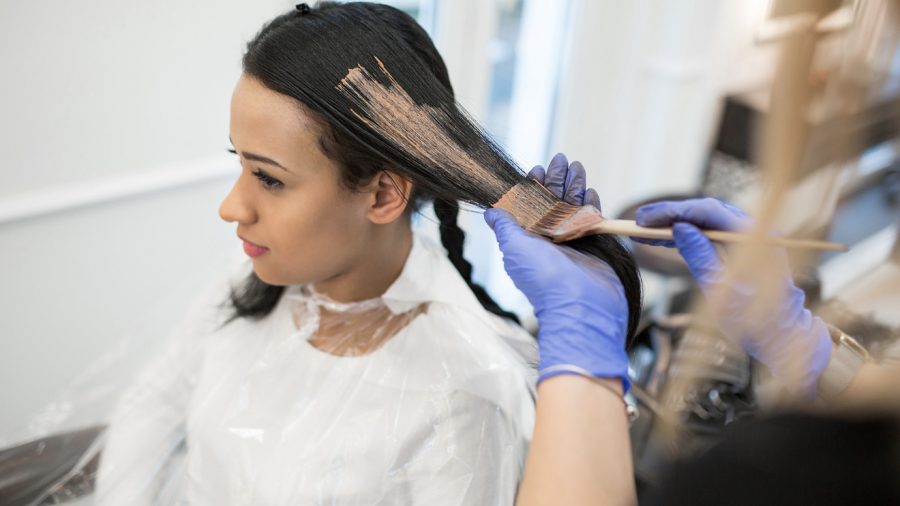
If you are coloring your hair a darker shake, like dark brown, leaving the color on your hair for too long can make your strands darker than you want — nearly black. On the flip side, if you are dyeing your locks a lighter color, like platinum blond, and you leave the lightning product longer than the instructions recommend, you can end up severely damaging your hair. This significant hair damage often looks like hair breakage or dry, brittle, and weak hair. In severe cases, leaving certain chemicals (like bleach) on for too long can lead to hair loss.
If you feel like your hair is already a bit unhealthy, frayed, or full of split ends, then cut your hair first first and use a hair mask a week before dyeing. This will help your hair stay strong and give the strands the nutrients they need before dyeing. Otherwise, damaged hair doesn’t absorb color so well and the dye might result in further dryness, breakage, or different color results.

How do I know which type of hair loss I have?
What We Know About the Link Between Hair Dye and Cancer - The New York Times
What We Know About the Link Between Hair Dye and Cancer.
Posted: Wed, 31 Jan 2024 08:00:00 GMT [source]
Apply color to the new growth section of your roots, continuing this process down your head until you get to your ear. If you used semipermanent dye, try a lavender-hue shampoo (like Clairol Professional Shimmer Lights Shampoo) for the next few days, says Robinson. If you went with a permanent formula, paint a shade that's two tones darker just on the orangey spots. “Choose a kit that's only one shade lighter than your base color,” says celebrity colorist Rita Hazan. Madison Reed's Balayage Kit is perfect for at-home highlights thanks to its wishbone-shaped brush that paints on color with fewer flaws. Boxes of color come with instructions, but there are a few extra things that the pros want you know when taking the plunge.
These prevent your hair from losing moisture and are much safer and kinder to the structure of your locks overall. Hair color is more than just a matter of personal preference—it's chemistry. Dying our hair is shifting the interior and the exterior of our strands, so the way we treat them is key to color preservation, vibrancy, and health. We put together a list of the 10 most common hair color myths and tapped expert colorists Ashley Pineda, Aspen Rae, and Kathy Debski to help us sort the facts from fiction when it comes to caring for dyed hair.
How to Dye Hair at Home in 7 Easy Steps
If you’re using permanent hair dyelike the L'Oréal Paris Feria, give your strands a break in-between dyeing sessions, waiting until your roots grow out. When you do need a refresh, simply do a root touch-up rather than coloring your entire head of hair. The GH Beauty Lab regularly tests at-home hair dye with both consumer testers and in controlled Lab tests. In the Lab, our scientists dye human hair samples in black, brown, red and blonde shades and visually evaluate each for color results and gray hair coverage. Just like in the salon, ESalon's professional colorists create a customized hair color just for you and your hair needs, which is then shipped to your door for application at home.
After getting a professional dye job at the salon, you may walk out with glamorous curls or sleek-straight flat-ironed hair. However, a good rule of thumb is to wait a few days after dyeing your hair at home before going in with any hot tools. The extra heat from these hot tools can lead to faded hair color or dry and damaged strands, particularly after your hair has been chemically treated with dye. They are also evaluated on consumer testers to gauge ease of use and results, including the look and feel of hair after application; in the most recent test, 2,712 data points were collated to determine the winners. Celebrity hairstylist and L’Oréal Paris creative director of style and color Jonathan Colombini calls permanent hair color your “heavy hitter,” since the formulas are your most powerful pick.
To blow dry your hair to perfection without all the damage, make sure you are using the coolest setting on your blow dryer so the strands aren't undergoing any more stress from the heat. Don't forget to give your strands a boost of shine with some hair oil. Another huge benefit of blow drying and styling your hair is that an excellent blowout with just the right tools and products can last for multiple days.
While all brands tested for blonde shades have only scored average (or worse) for covering up gray, this stood out for fade resistance and keeping its shine. Take note, though, that it wasn’t the best at covering grays compared to other formulas and some users needed more than one box to cover their hair. Several users commented on how effortless it was to apply and the “beautiful color” it produced (true to its name). Using a color protection leave-in conditioner to maintain color is also a great idea. We highly recommend adding The Good Stuff Color Protect Milk to your hair care lineup.
Non-color-safe shampoos may potentially strip your hair, so opting for the extra protection will keep your hair in its healthiest state. Pineda points out that the additional wait time before your first shampoo can do favors for your scalp's health, too. The oils that your body naturally produces on the scalp will not only hydrate but also protect your hair, she tells us. For this reason, keeping up with a consistent routine of washing your hair every two to three days will only do favors for your hair color. If you have black or brown hair and are coloring your mane a shade of blonde, you’ll likely be damaging your strands more than if you were to stay one to two shades within your starting color.
Let down the remaining front section and apply dye to the rest of your hairline and part just as you did in the previous step. Hair texture matters just as much when dyeing your hair as it does when cutting it. "Coarse, curly, or frizzy hair sucks up color faster and will become cooler-toned when you dye it, so it will look ashier, or slightly bluish," says Ionato. "Fine to medium hair textures don't absorb color as easily and will become a slightly warmer tone when you add dye, meaning it will have orange, red, or copper undertones." Make sure you're comfortable (a pair of these luxe PJs should do the job), have everything you need (we've got you there below), and aren't pressed for time.


No comments:
Post a Comment